


Archie Walters
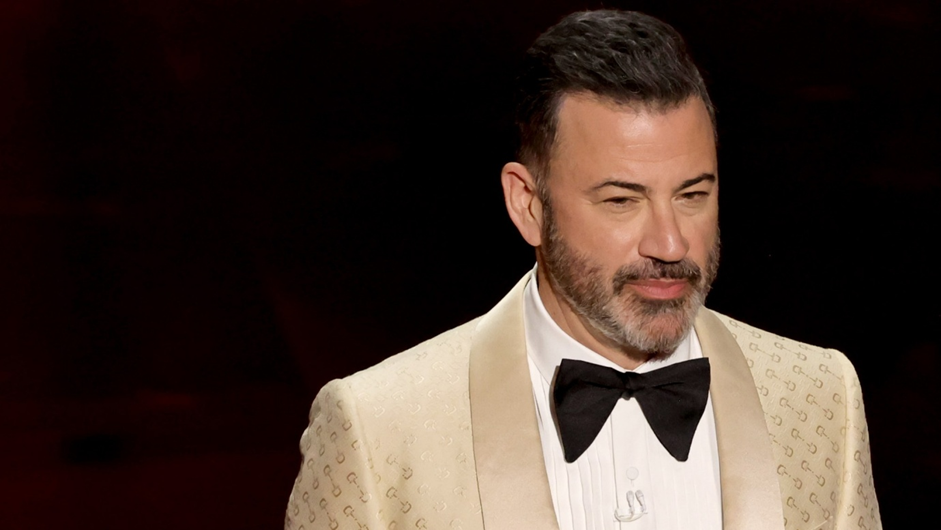
In September 2025, Jimmy Kimmel, a long-standing host of Jimmy Kimmel Live! on ABC, found himself at the centre of a firestorm that highlights how the modern political economy shapes public perception.
His comments about the killing of conservative activist Charlie Kirk set off rapid responses, from broadcast affiliates, regulators, political actors, and the public, raising urgent questions about free speech, media power, and political influence.
The Spark
During a monologue, Kimmel accused conservatives of exploiting the killing of activist Charlie Kirk. He suggested the right was “scoring political points” from tragedy and mocked Donald Trump’s response as shallow.
The jokes triggered swift outrage. Nexstar Media Group, which owns dozens of ABC affiliates, said it would stop airing Jimmy Kimmel Live!. ABC then suspended the show “indefinitely.”
The Federal Communications Commission (FCC), led by Chairman Brendan Carr, a Trump ally, went further, calling Kimmel’s remarks “sick” and hinting at possible regulatory consequences. Trump himself celebrated, calling the suspension “great news for America.”
After days of backlash, from free speech advocates, comedians, and viewers—ABC announced the show would return. But the episode left a clear picture of how politics and economics collide in modern media.
His comments about the killing of conservative activist Charlie Kirk set off rapid responses, from broadcast affiliates, regulators, political actors, and the public, raising urgent questions about free speech, media power, and political influence.
The Spark
During a monologue, Kimmel accused conservatives of exploiting the killing of activist Charlie Kirk. He suggested the right was “scoring political points” from tragedy and mocked Donald Trump’s response as shallow.
The jokes triggered swift outrage. Nexstar Media Group, which owns dozens of ABC affiliates, said it would stop airing Jimmy Kimmel Live!. ABC then suspended the show “indefinitely.”
The Federal Communications Commission (FCC), led by Chairman Brendan Carr, a Trump ally, went further, calling Kimmel’s remarks “sick” and hinting at possible regulatory consequences. Trump himself celebrated, calling the suspension “great news for America.”
After days of backlash, from free speech advocates, comedians, and viewers—ABC announced the show would return. But the episode left a clear picture of how politics and economics collide in modern media.
Politics and Pressure
The controversy wasn’t just about offence; it was about leverage. Networks like ABC rely on advertisers, affiliates, and regulators. When Nexstar pulled support and the FCC signalled concern, the financial risk mounted quickly. For ABC, suspending Kimmel was less about his jokes than about managing those risks.
For Trump, the episode became a tool. By amplifying outrage, he reinforced his narrative that mainstream media is hostile to conservatives while proving he could influence corporate decisions.
The show’s suspension, even if temporary, demonstrated how political actors can turn cultural flashpoints into moments of power.
The Kimmel saga illustrates how public perception is less about “truth” and more about power. Who controls the stations, who holds the regulators’ ear, who has the loudest megaphone online, these factors often matter more than what was actually said.
Free speech, in theory, may be protected, but in practice, it can be chilled by the threat of lost revenue or government scrutiny.
The Bigger Picture.........
Kimmel’s brief suspension may fade, but the story speaks to a deeper reality. Today’s media is not just entertainment; it is a battlefield where politics, economics, and cultural identity collide.
What the public sees, and what it doesn’t, depends as much on who holds power as on those telling the jokes.
What the public sees, and what it doesn’t, depends as much on who holds power as on those telling the jokes.


